
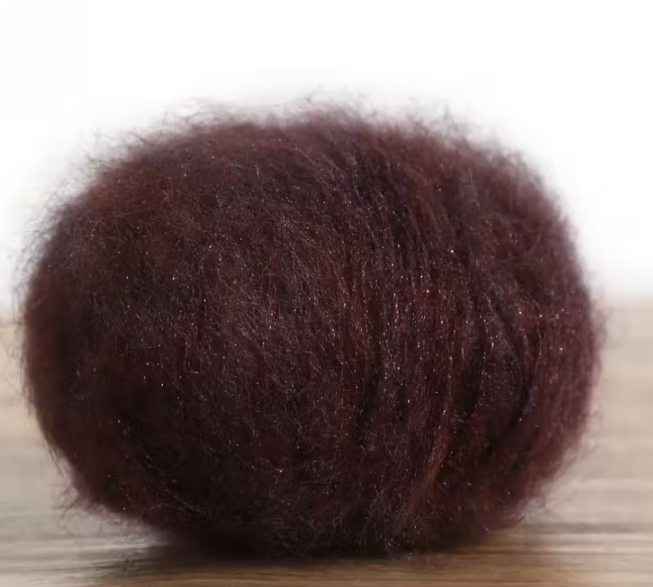
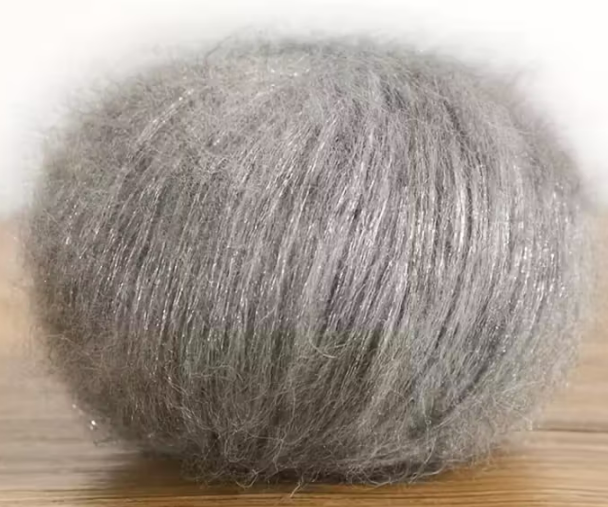
From alpaca fleece to quality wool

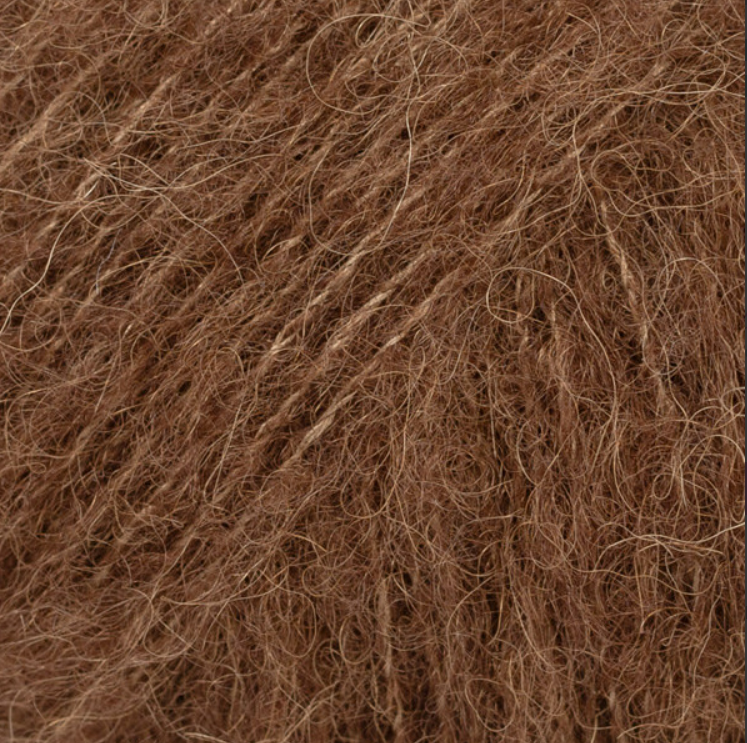
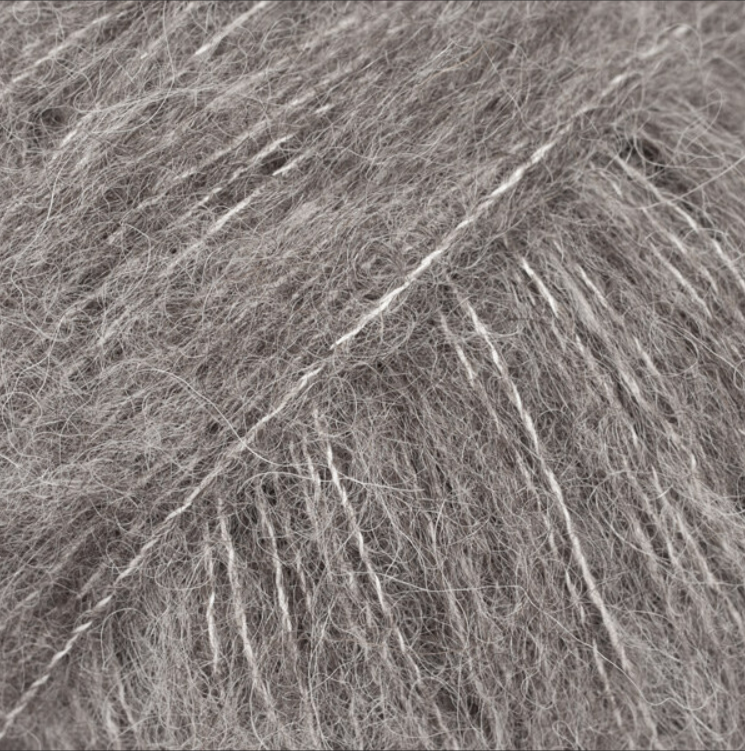
Not every alpaca fleece is automatically suitable for high quality processing. To guarantee quality, different technical criteria are assessed, each of which directly influences the final result and the ease of processing. Here is an overview of the most important factors.
Fibre thickness (micron value)
The most important parameter is fibre thickness, expressed in microns. The lower the micron value, the finer and softer the fibre. Fine fibres feel pleasant on the skin and are suitable for high quality applications such as garments worn directly on the body. In professional contexts, this is measured with specialised equipment or via laboratory analyses. The results provide an objective basis for use possibilities.
Fibre length
Length is also crucial. It is the length of the individual fibres within a lock. Sufficient length makes spinning easier and produces a stronger yarn. Fibres that are too short cause more waste and lead to a weaker end product. Because fibre length varies within a fleece, several sections are usually evaluated during grading.
Uniformity
Uniformity refers to the regularity of fibre thickness and length within a fleece or batch. High uniformity results in consistent processing and a predictable final product. Large variations increase the risk of weak spots in the yarn and complicate spinning. Uniform fleeces are therefore not only technically better but also economically more valuable.
Cleanliness and contamination
The degree of contamination also plays an important role. Straw, sand, plant material and skin flakes increase washing loss and reduce yield. Clean fleeces require less intensive washing and are therefore more efficient to process. Everything that does not belong in the fibre must be removed during processing. This is labour intensive and increases costs.
Fibre structure and elasticity
Finally, fibre structure and elasticity are important. A good alpaca fibre springs back well after stress and does not break quickly. This resilience ensures that finished products retain their shape longer and wear out less quickly. Strong, resilient fibres provide durable yarn that pills less and lasts longer.
Why these selection criteria are essential
Selection is not a luxury but a decisive step. It determines how the fleece behaves during processing and what the final quality will be. By selecting on thickness, length, uniformity, cleanliness and structure, we can differentiate between ordinary fibre and premium natural product. The difference lies in measurable parameters as well as in craftsmanship.
Our fleeces are carefully and manually assessed. Only the fleeces that meet our quality requirements are further processed. What remains is pure wool, with respect for the animal and the material. That is how wool is created that not only looks beautiful, but truly is of high quality.
The OFDA measurement below shows how fibre diameter and uniformity are objectively assessed.

Only once this selection has been carefully completed can the fleece be further processed into wool.
What remains is not coincidence, but the result of deliberate choices, craftsmanship and respect for the material.
This is how wool is created that does not promise quality, but proves it.