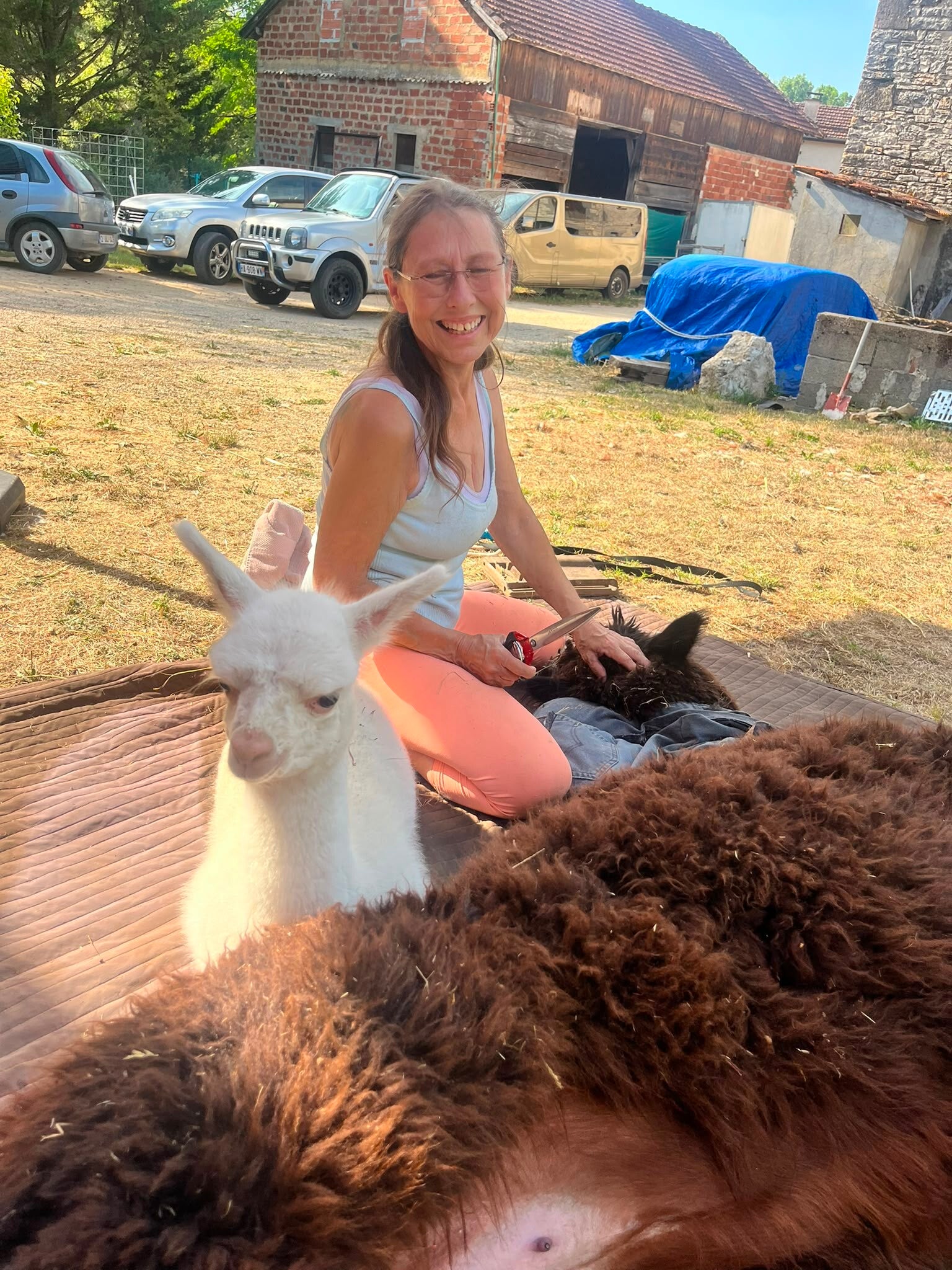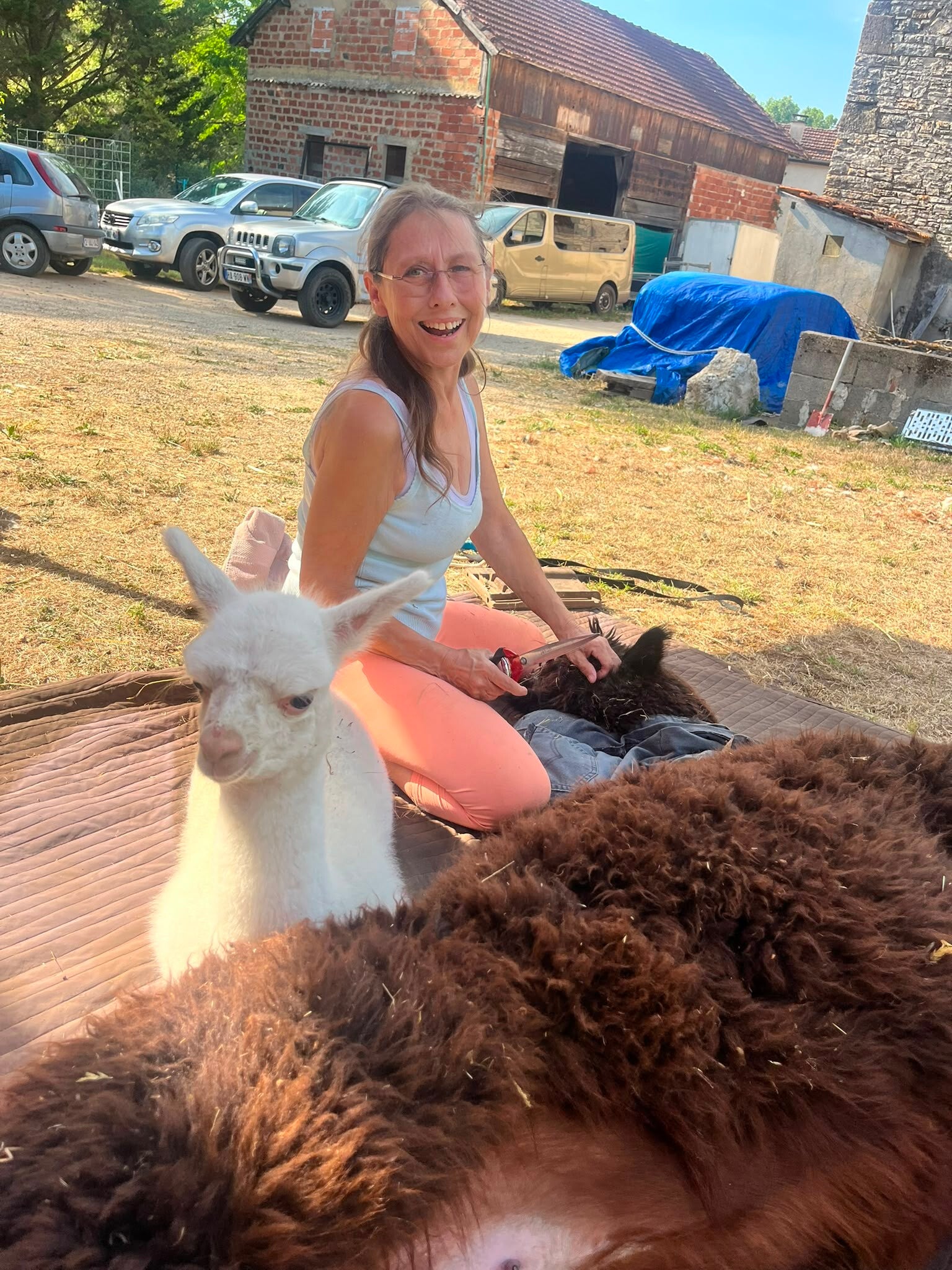
Shearing Alpacas
The annual shearing of alpacas is not a luxury but an essential part of their care. By shearing alpacas in a timely manner, we prevent overheating in the warmer months and keep their skin and coat healthy. At the same time, it allows us to correctly assess and utilize the quality of the wool.
Why shear alpacas?
Alpacas have a very dense coat that provides excellent protection against the cold, but in the spring and summer, it poses a risk. Without shearing, alpacas can hardly lose their body heat, which leads to stress and health problems.
Shearing ensures:
-
better temperature regulation
-
less chance of parasites and skin problems
-
better hygiene
-
control of body condition
-
qualitative wool yield
When are alpacas sheared?
Alpacas are usually sheared once a year, usually in the spring.
That moment is deliberately chosen:
-
before the summer heat
-
after winter, when the coat is complete
-
so that the alpaca still has enough time to create a protective layer against cold nights
Shearing too late increases the risk of overheating. Shearing too early can be problematic in cold weather.
How does shearing work?
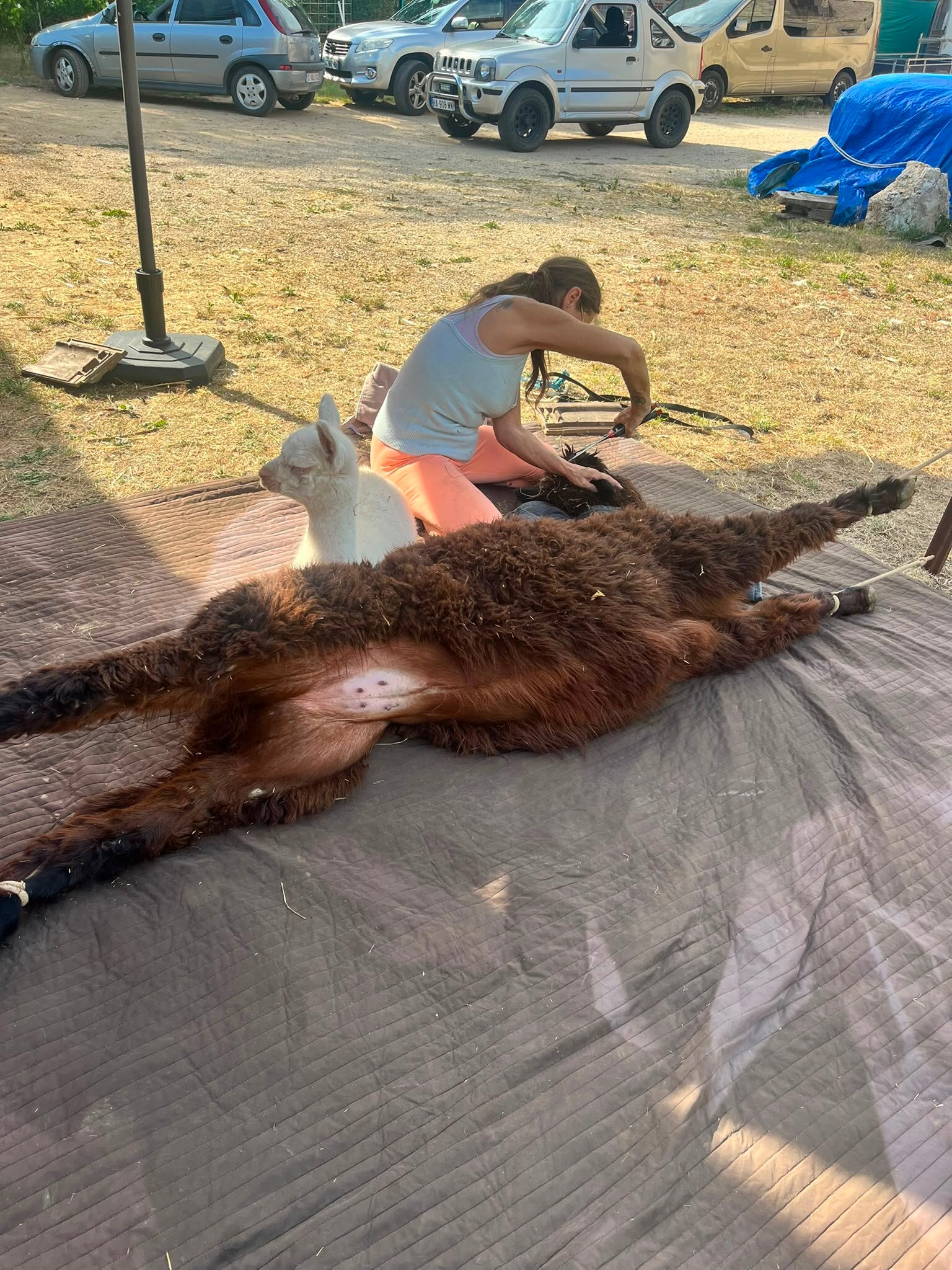
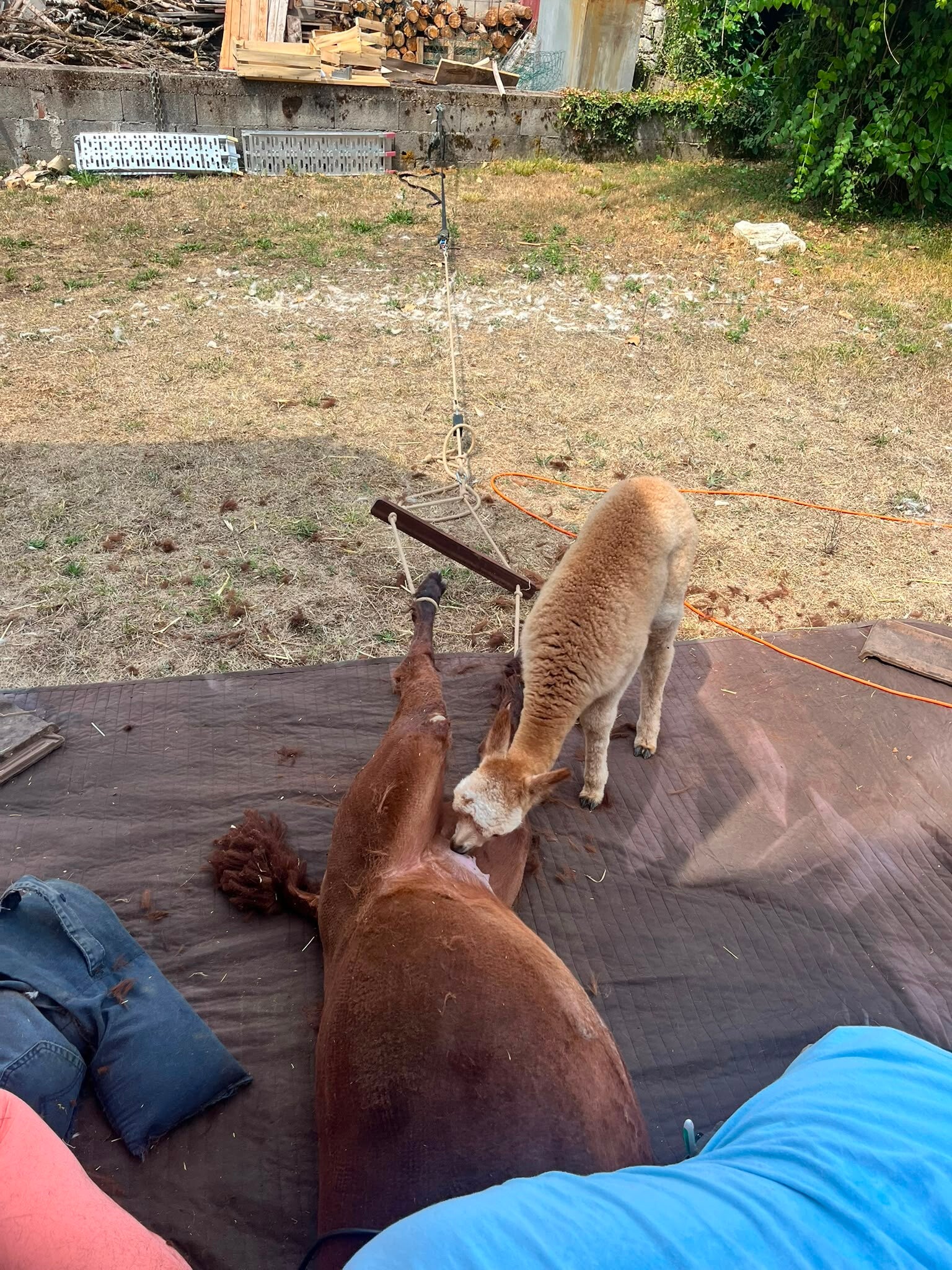
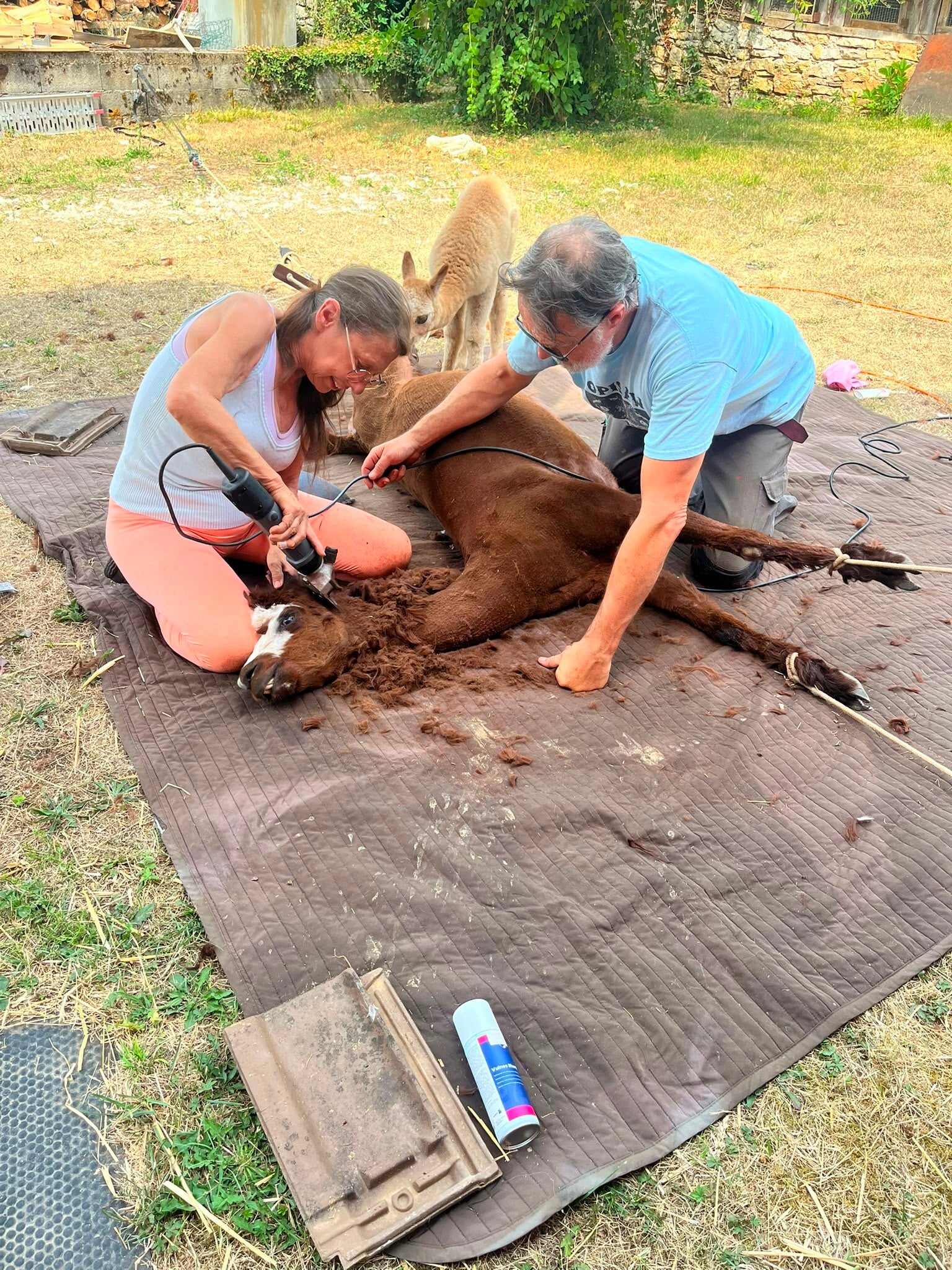
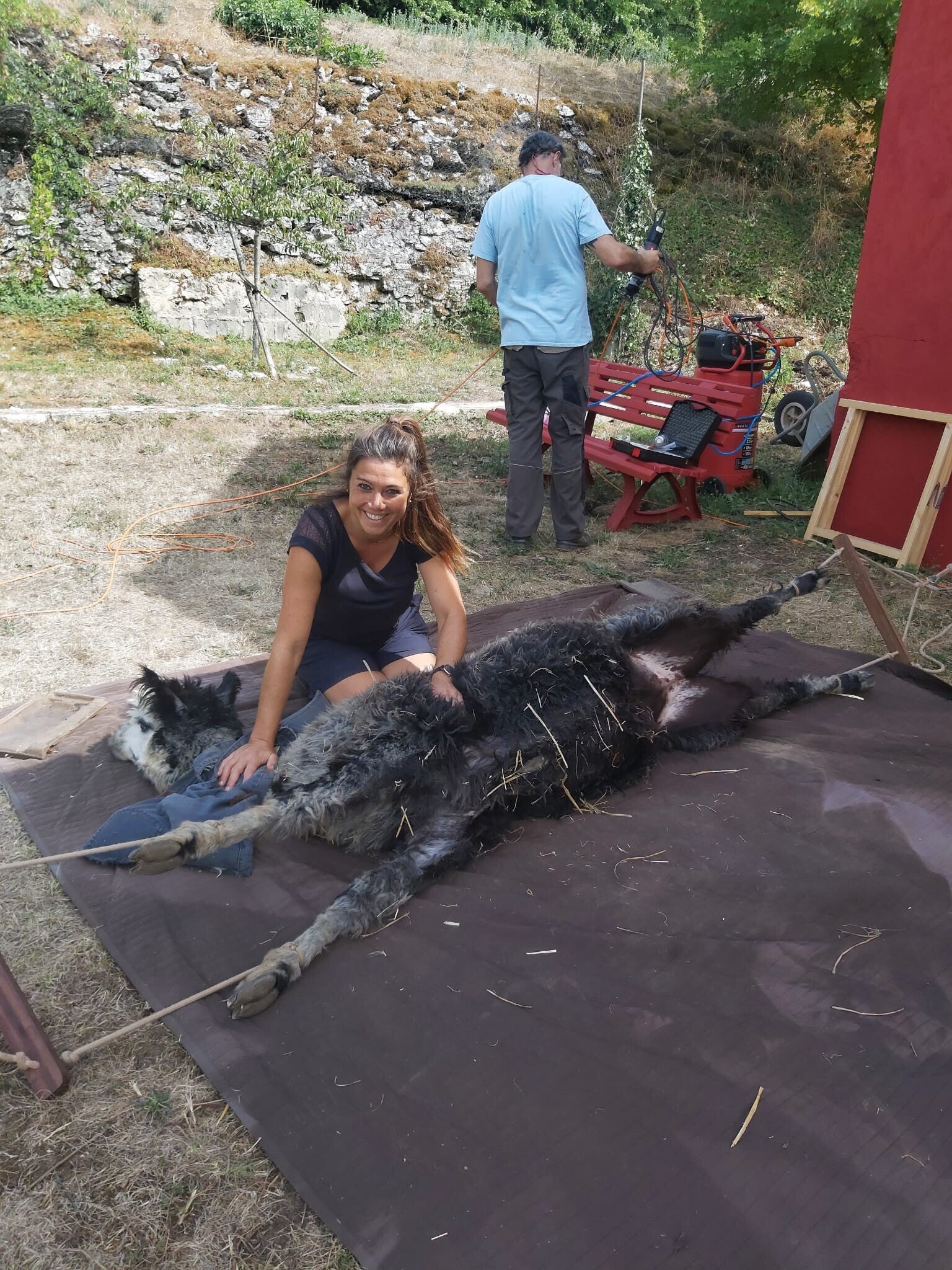
Shearing is done in a controlled manner and with respect for the animal.
-
The alpaca is positioned quietly
-
We work with professional shearing equipment
-
The coat is removed in zones
-
Sensitive parts are treated with extra care
Stress is kept to a minimum. We never work in a hurry.
Different wool zones
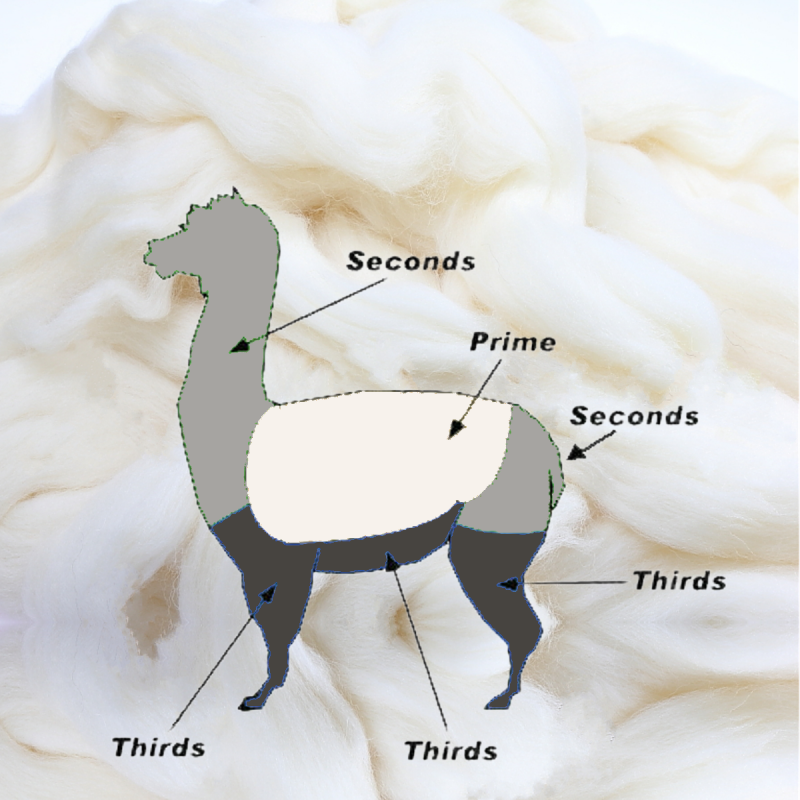
Not all wool on an alpaca is equal. The coat is divided into different zones:
Different wool zones (explanation with the image)
- Prime
The best wool. Comes from the back and flanks. This wool is the softest and most suitable for high-quality processing. -
Seconds
Wool from the shoulders, neck, and hindquarters. Still usable, but slightly less fine. -
Thirds
Wool from legs, chest, and belly. Coarser in structure, usually not suitable for fine handwork.

By separating these zones during shearing, we maintain maximum quality.
What happens to the wool?
After shearing, the wool is:
-
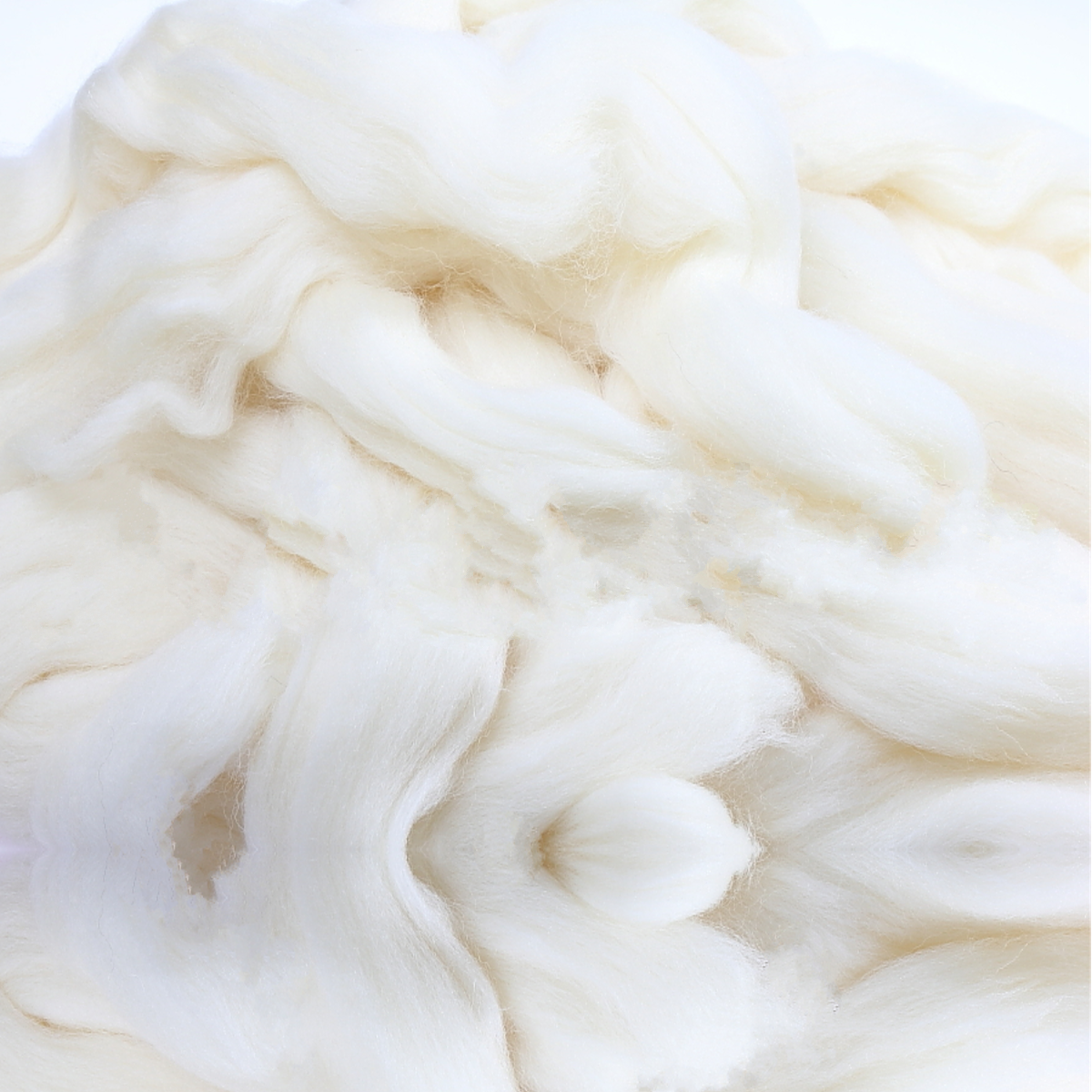
sorted by quality
-
cleaned
-
processed or not
Part of the wool gets a second life in our Ateliertje, where we also make handmade creations, inspired by our alpacas and farm life.
Is shearing safe for alpacas?
Yes, if done correctly.
-
Alpacas feel no pain during shearing
-
Their skin is not damaged
-
They recover quickly and move normally immediately
After shearing, we take weather conditions into account and provide shelter if necessary.